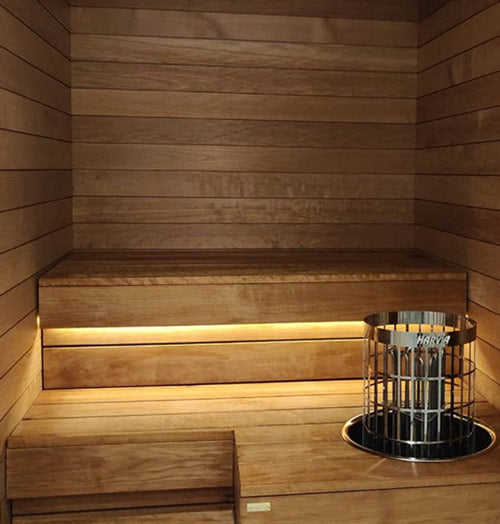
LED profiles and aluminium channels
Aluminium LED profiles give your LED strip installation a professional finish while improving heat management and diffusing the light. Choose from surface-mounted, recessed or corner profiles depending on your application and strip dimensions.
Surface-mounted LED profiles
Our surface-mounted profiles include popular options like SUORA12, SUORA14, MINI8 and MINI10. These are ideal for under-cabinet lighting, shelving and display cases where the profile sits directly on the surface.
Recessed and corner profiles
For a sleeker look, recessed profiles such as SUORA-UPPO12, VIISTO-UPPO14 and MONI30-06 sit flush with the mounting surface. Wall-mounted profiles like SEINÄ10 and SEINÄ12 create elegant indirect lighting effects, whilst corner profiles such as PT45 are perfect for angled installations.
Profiles are available in 2-metre lengths and come with options for diffusers, end caps and mounting clips to complete your installation.

265 products
Filter

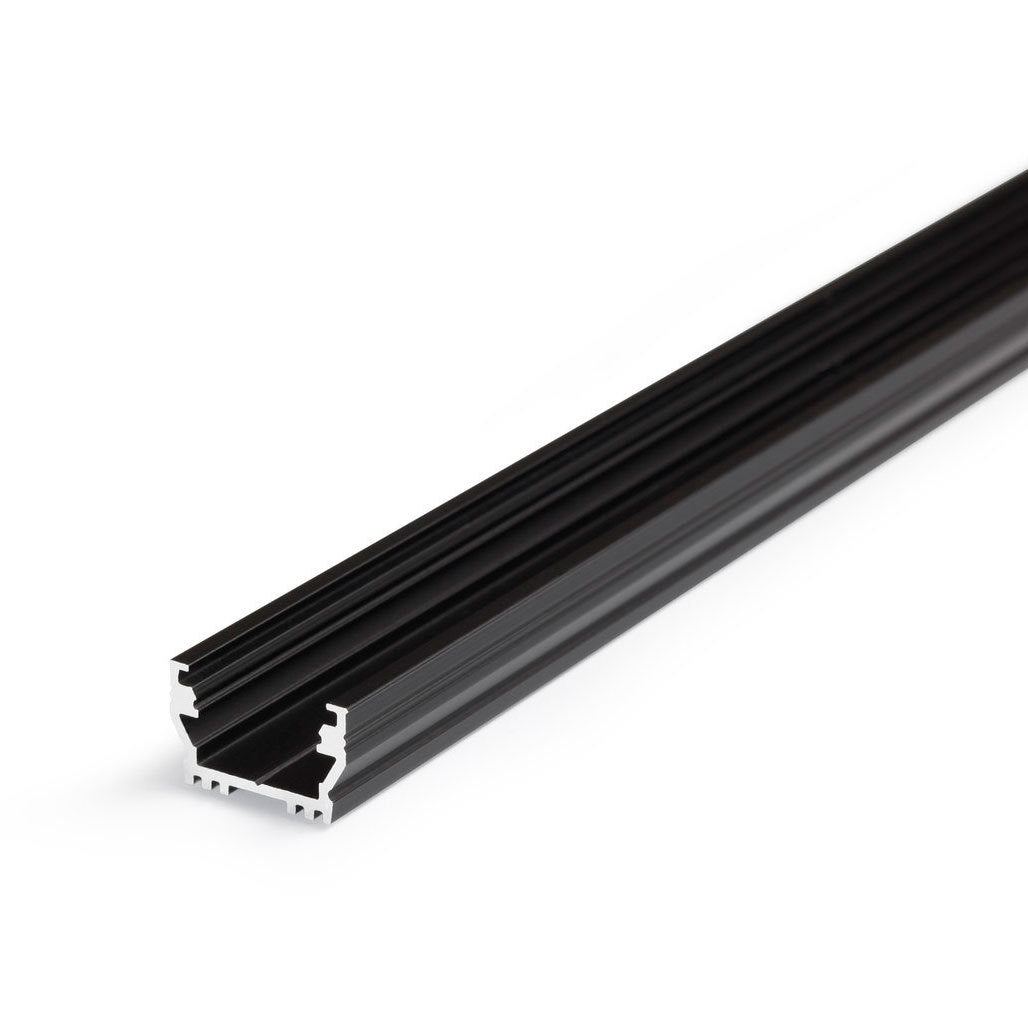

YLEIS12 LED-profile, recessed/surface mounting


MONI30-01 ISO LED-profile, surface-mounted low model

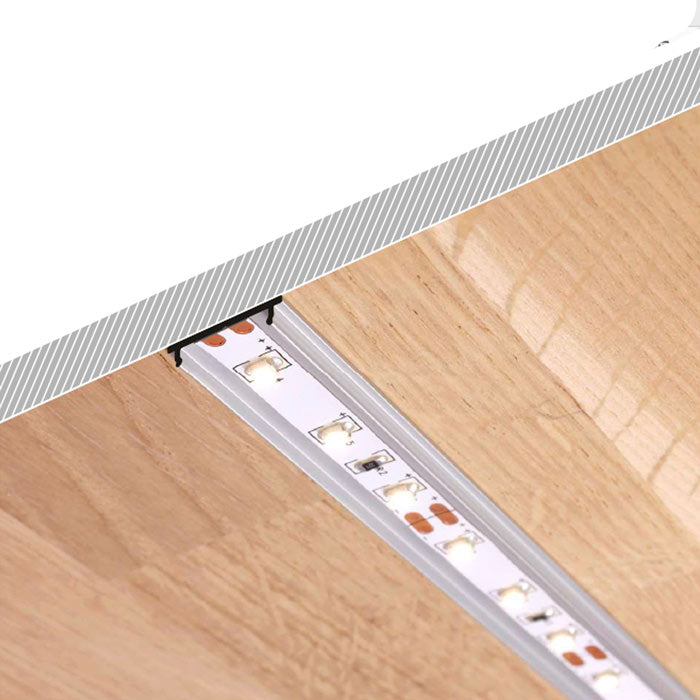
PERUS16 aluminium strip for LED strip 2m

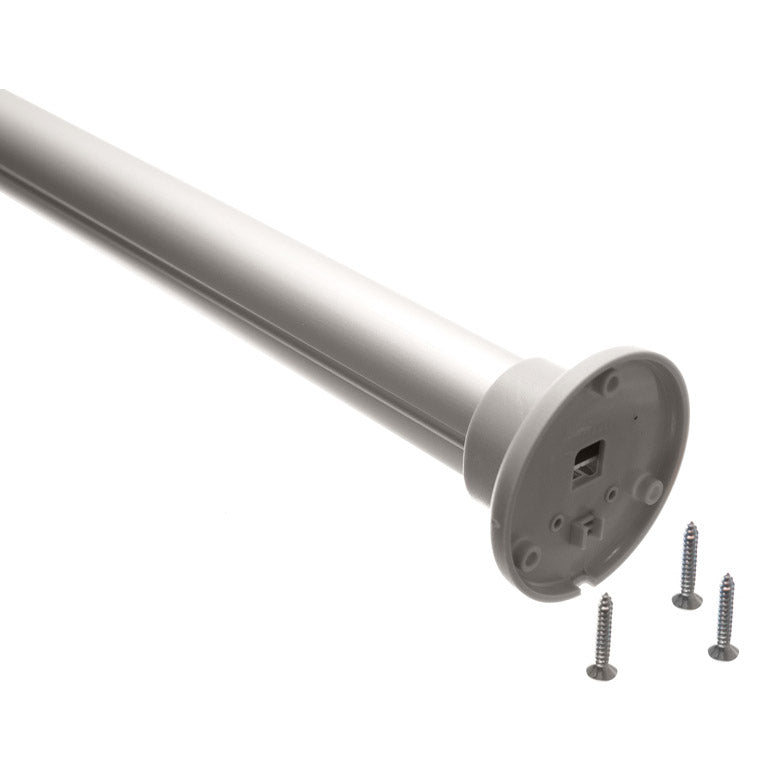
TANKO20 LED profile 2m


PINTA10.v2 LED-profile 2m (renewed model 2023)


TYYLI53 LED-profile, surface-mounted large profile, 2000mm


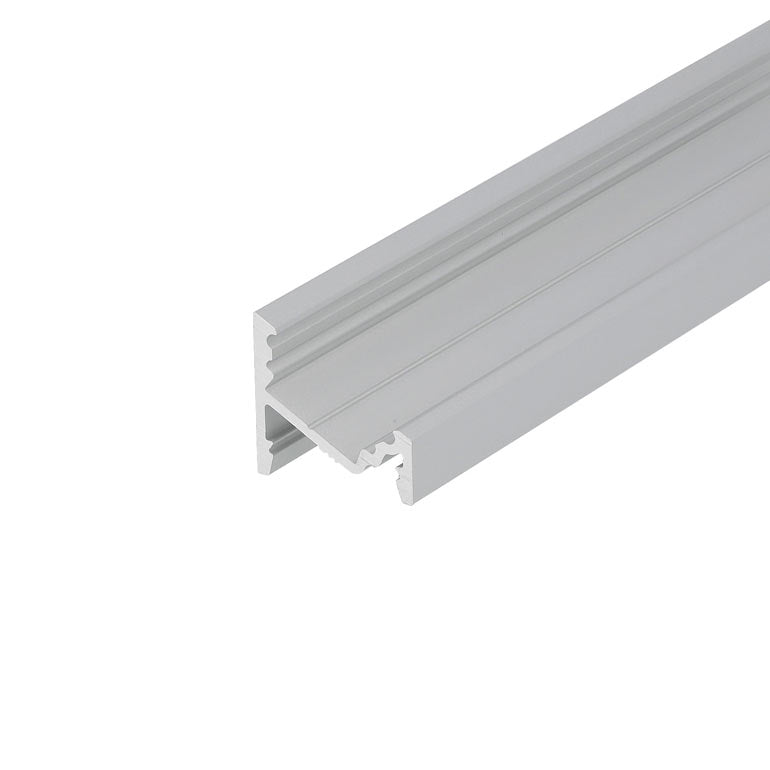
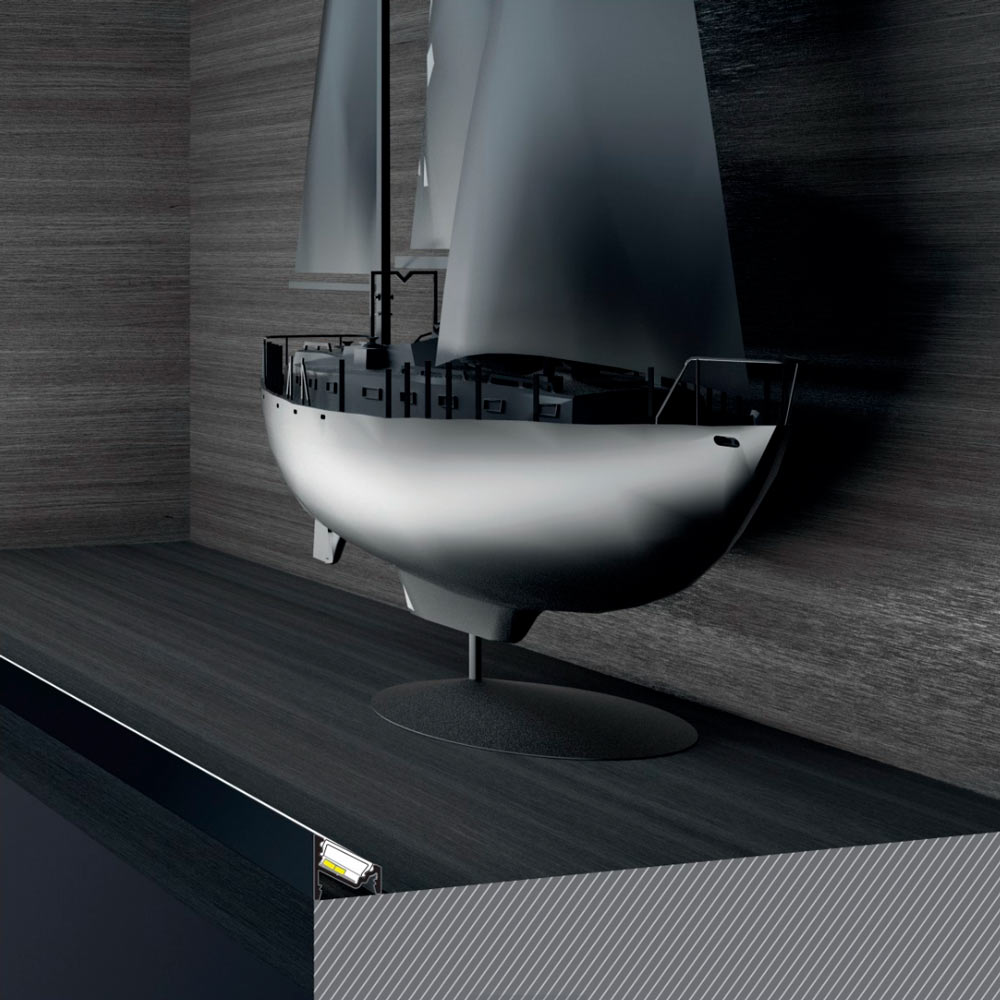
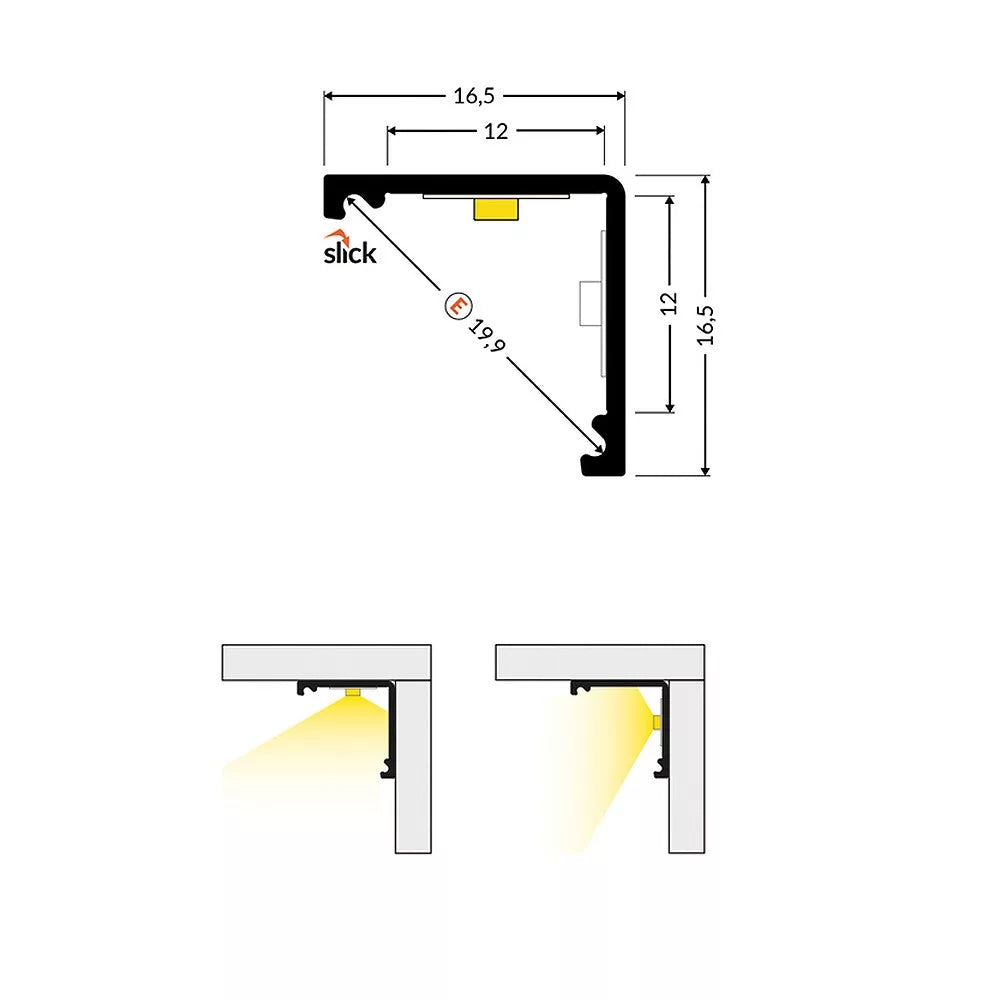
KULMA10.v2 LED profile 2m, corner profile for LED strip (new 2023 model)


KAAPPI12 DUO LED corner profile 2m


PYÖRÖ8 LED profile 2m, round


NELIÖ-UPPO16 LED-profile 2m, deep


LASI10 LED profile 2m


MONI30-07 ISO LED profile, recessed deep model, 2000mm


MONI30-03 ISO LED-profile, surface mounted, side illuminated, 2000mm


KOLMIO10 LED profile 2m


MONI30-04 ISO LED profile, recessed low model, frameless TRIMLESS, 2000mm
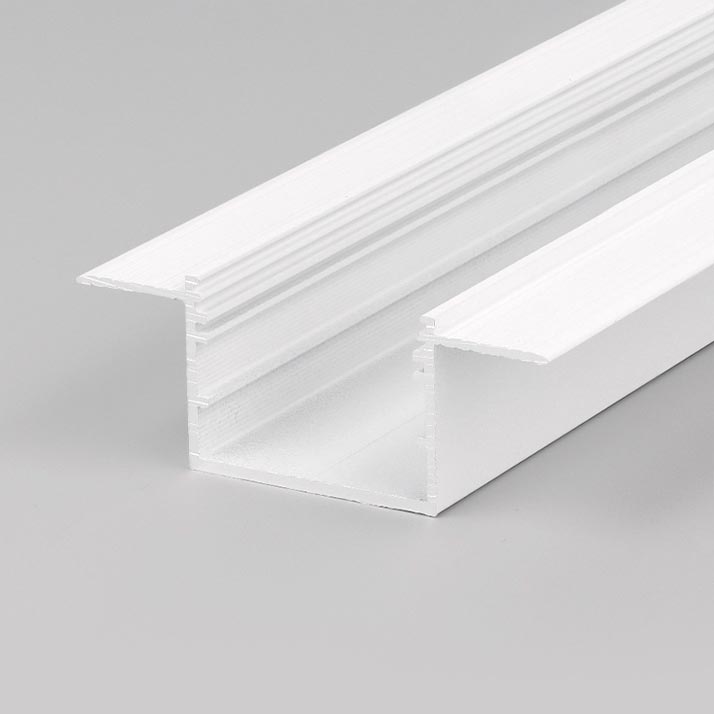

MONI30-05 ISO LED profile, recessed deep model, frameless TRIMLESS, 2000mm


FIILIS-UPPO53 LED profile, recessed large profile, 2000mm


RAITA8 illuminated plastic profile for LED strip 2m


SIIPI14-SIDE LED profile 2m, side-mounted


FIILIS53 LED-profile, surface-mounted large profile, 2000mm


PORRAS10 LAATTA LED-profile for lighting tiled stairs 2m


Diffuser C6, 2m click-on cover for LED profile


Diffuser C4, 2m click-on opal cover for LED profile


JALKALISTA10 aluminium profile for LED strip 2m


LATTIA8 LED-profile 2m, low
Choosing an LED profile – surface, recessed or corner?
The guide below helps you compare product features and avoid the most common selection mistakes.
Why choose a profile for an LED strip?
An aluminium profile makes the installation neat, helps with the strip's heat management and allows a diffuser to be used. Depending on the design of the model, a profile can also protect the strip from contact and dust. However, a profile does not automatically make the installation waterproof: moisture protection should be checked from the product information for the whole system.
Surface-mounted LED profile
A surface profile is suitable, for example, under a wall cabinet, on a shelf or on a wall surface when you do not want to make an installation groove. Compare the profile height, mounting method, visible width and cable routing. Mounting clips, tape and screws are not equally suitable for all surfaces. Check that the profile and the mounting accessories are compatible.
Recessed LED profile
A recessed profile is placed in a groove, for example in furniture or in a ceiling. A flange can cover the edges of the groove and make finishing easier. Before routing, confirm the outer dimensions of the profile, the depth of the groove and any end caps. Especially in furniture installations, the cabling should be planned before the installation work.
Corner profile and light direction
A corner profile helps direct light at an angle, for example onto a kitchen backsplash, along the line between the wall and the ceiling, or into a display cabinet. The direction of the light affects glare and whether the LED dots are visible on reflective surfaces. Choose the angle and position of the profile according to where you want the light to be directed.
Strip width, diffuser and accessories
Check the inner width of the profile relative to the width of the LED strip, as well as the space needed at the joints. An opal diffuser evens out the light but generally reduces light transmission slightly. LED density, profile depth and COB construction affect how dot-free the light appears. Also make sure that the end caps, covers and mounting accessories are suitable for the specific model.
Compatible products and accessories
Always check model-specific dimensions and compatibility from the product information. Also take a look at the following options:
Frequently asked questions
Does any LED strip fit every profile?
No. Check the width of the strip, the inner dimensions of the profile and the heat management requirements.
What is the difference between a surface and a recessed profile?
A surface model is fixed onto a surface, while a recessed model is placed in an installation groove.
Can a diffuser give completely dot-free light?
Not always. The result also depends on the LED density, the type of strip and the depth of the profile.
Can an LED profile be shortened?
Many aluminium profiles can be shortened, provided the product-specific machining instructions are followed.